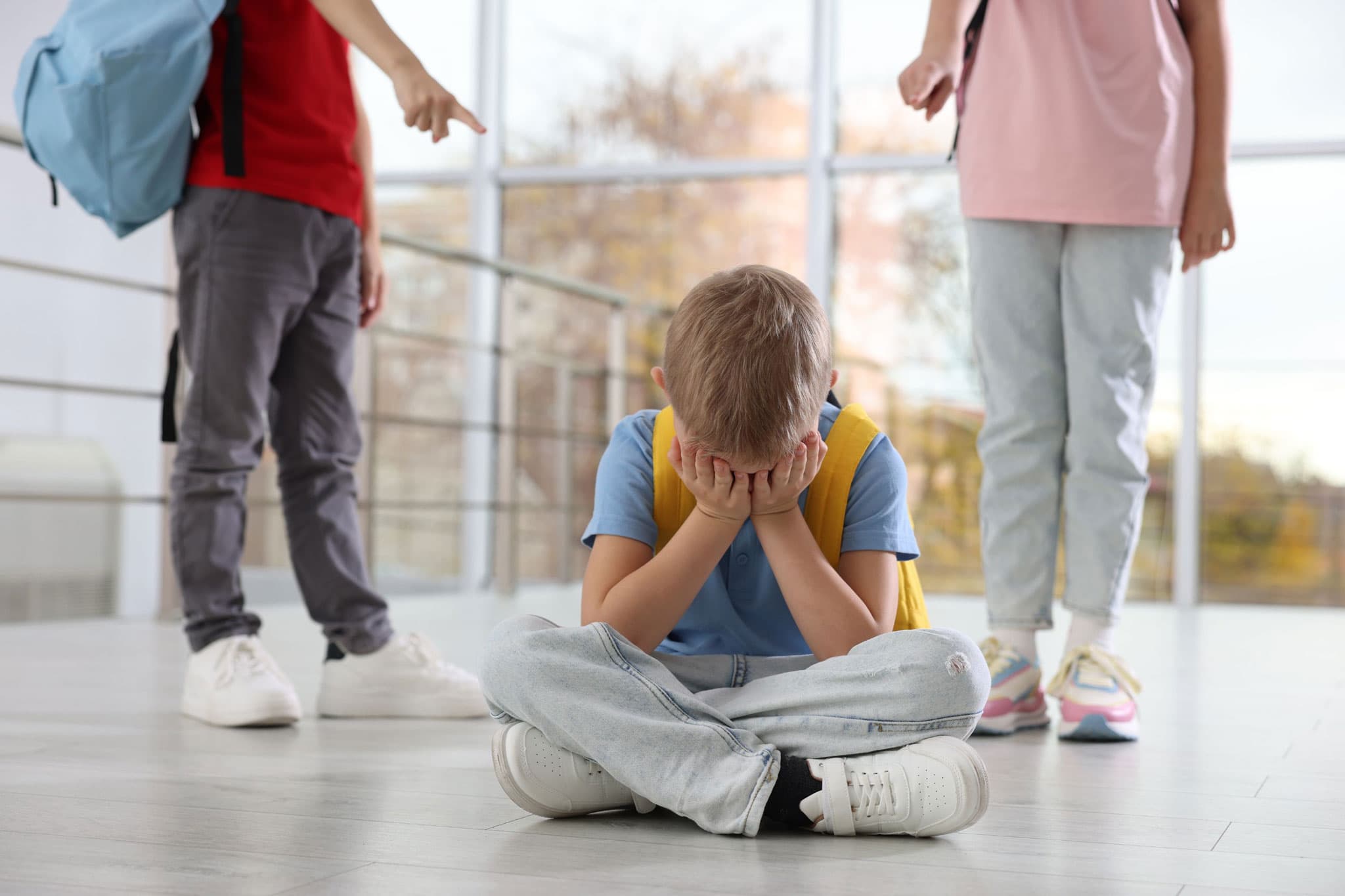
Bullying in Schools: What Parents and Educators Must Know in 2026
One in three. That's how many U.S. teenagers experienced bullying in the past year, according to a 2024 CDC report analyzing data from over 12,000 adolescents (CDC/NCHS, 2024). The number hasn't budged much in a decade — but the ways kids get bullied have changed dramatically. Cyberbullying has nearly doubled since 2016. AI-generated harassment is on the rise. And most victims never tell an adult.
This guide breaks down the data, the warning signs, and the strategies that actually work — for both parents and educators. Whether you're trying to protect your own child or build a safer school, the evidence points to the same truth: bullying isn't something kids just "grow out of." It demands action.
[INTERNAL-LINK: child protection resources → CACF pillar page on protecting children]
TL;DR: About 34% of U.S. teens face bullying each year, and cyberbullying has nearly doubled since 2016 — reaching 58.2% lifetime victimization in 2025 (Cyberbullying Research Center, 2025). Bullied teens are twice as likely to develop anxiety and depression. Parents should watch for behavioral changes and maintain open conversations. Schools with evidence-based prevention programs reduce bullying by 18-19%. Report incidents to school administrators and, when necessary, law enforcement.
How Widespread Is Bullying in Schools Today?
Approximately 34% of U.S. teenagers ages 12-17 experienced bullying in the preceding 12 months, with 6.5% reporting monthly incidents and 1.7% facing it almost daily (CDC/NCHS, 2024). This isn't a fringe issue. It's a routine part of school life for millions of children across every state, income bracket, and community.

The federal numbers tell a consistent story. The National Center for Education Statistics reports that 19% of students ages 12-18 were bullied during school hours in 2021-22, down from 28% in 2010-11 (NCES, 2024). That decline sounds encouraging — until you realize the drop largely reflects changes in how surveys define and capture bullying, not necessarily fewer incidents.
Globally, the picture is just as stark. Nearly 1 in 3 students worldwide report experiencing bullying in the previous month, according to UNESCO's most recent analysis (UNESCO, 2024). Only 16% of countries have laws that specifically address cyberbullying through education. That gap between the scale of the problem and the policy response? It's enormous.
Here's a number that should trouble every parent and teacher: only 44.2% of bullied students ages 12-18 notified an adult at school about the bullying (StopBullying.gov, 2024). More than half stayed silent. Why? Fear of retaliation, embarrassment, or the belief that adults won't — or can't — help.
Middle school is where bullying hits hardest. The data shows a clear pattern — rates peak in 6th through 8th grade and decline through high school, though they never disappear entirely.
According to NCES data, 27% of 6th graders reported being bullied at school — the highest rate of any grade level — compared to just 10% of 11th graders (NCES, 2024). This means parents and educators should be most vigilant during the middle school transition, when social hierarchies form rapidly and children are especially vulnerable to peer aggression.
Which Students Face the Greatest Risk?
Girls experience bullying at significantly higher rates than boys — 38.3% compared to 29.9% — but the most at-risk group is sexual and gender minority teens, with a bullying rate of 47.1% (CDC/NCHS, 2024). Nearly half of LGBTQ+ teens face bullying in any given year. That number demands attention from every school that claims to serve all students.

Age matters too. Younger teens ages 12-14 face a 38.4% bullying rate, compared to 29.7% for those ages 15-17 (CDC/NCHS, 2024). The developmental stage matters — younger adolescents are still building their social identities, and rejection or aggression during this period hits harder.
Children with developmental disabilities face a bullying rate of 44.4%, compared to 31.3% for their peers without disabilities (CDC/NCHS, 2024). That's a 13-percentage-point gap. These children often lack the social skills or support networks to defend themselves, and they're frequently targeted for the very traits that make them different.
What the data reveals: When you overlay the risk factors — being younger, LGBTQ+, or having a disability — the cumulative vulnerability becomes clear. A 13-year-old LGBTQ+ student with a learning disability doesn't face just one elevated risk. They face compounding risks that most school anti-bullying policies aren't designed to address individually, let alone together.
Racial and ethnic differences also appear in the data. White non-Hispanic teens report the highest rates at 39.6%, while Asian non-Hispanic teens report the lowest at 16.1%. But researchers caution that cultural differences in how bullying is defined and reported may affect these numbers. What's consistent across every demographic is this: no group is immune.
Do schools have systems in place to identify and protect their most vulnerable students? In many cases, the answer is no — and that's where targeted intervention becomes critical.
[INTERNAL-LINK: supporting LGBTQ+ youth → CACF resources on protecting vulnerable children]
How Is Cyberbullying Changing the Landscape?
Lifetime cyberbullying victimization among youth has nearly doubled — rising from 33.6% in 2016 to 58.2% in 2025 — while 30-day victimization climbed from 16.5% to 32.7% in the same period (Cyberbullying Research Center, 2025). More than half of all young people have now experienced cyberbullying at some point. That's not a trend line. It's a new normal.

What makes cyberbullying different from hallway bullying? It doesn't stop at the school doors. A child who gets harassed online carries that abuse home, into their bedroom, into their sleep. There's no escape. And with 23.3% of students reporting that cyberbullying affects their ability to learn and feel safe at school — nearly double the 12.4% who said the same in 2016 — the classroom impact is growing too (Cyberbullying Research Center, 2025).
The CDC's 2023 Youth Risk Behavior Survey found that 19% of high school students were bullied at school and 16% were cyberbullied (CDC YRBS, 2024). While in-person bullying has stayed relatively flat since 2013, cyberbullying is the category that keeps climbing. The two aren't separate problems — they're overlapping ones. Many kids face both.
The platforms change constantly — yesterday it was Facebook, today it's Snapchat, Discord, and group chats on iMessage. But the pattern doesn't. Anonymity and distance make kids bolder. Screenshots make humiliation permanent. And parents who don't monitor their child's digital life may have no idea it's happening until the damage is done.
Can you truly protect a child from cyberbullying if you don't know what platforms they're using? In most cases, you can't — and that's why digital literacy for parents matters as much as it does for kids.
[INTERNAL-LINK: online safety strategies → internet safety for kids guide]
What Does Bullying Do to a Child's Mental Health?
Bullied teenagers are approximately twice as likely to show symptoms of anxiety — 29.8% compared to 14.5% among non-bullied peers — and depression — 28.5% versus 12.1% (CDC/NCHS, 2024). These aren't minor differences. Bullying doubles the risk of the two most common mental health conditions in adolescents.
The damage doesn't stop at school age. A 2025 narrative review published in PMC found that bullying causes depression, anxiety, suicidal ideation, and PTSD symptoms, with effects that persist well into adulthood (Han et al., PMC, 2025). Adults who were bullied as children report higher rates of chronic health conditions, relationship difficulties, and workplace challenges decades later.
The connection between bullying and suicidal ideation is especially alarming. While bullying alone doesn't cause suicide, it's a significant contributing factor — particularly when combined with other stressors like family instability, social isolation, or pre-existing mental health conditions. Financial sextortion schemes, a growing form of online bullying, have been linked to at least 36 teen suicides since 2021.
Our finding: When reviewing national datasets, a troubling pattern emerges — the same populations with the highest bullying rates (LGBTQ+ teens, disabled teens) also show the highest rates of depression and suicidal ideation. This isn't coincidental. It suggests that targeted bullying of already-vulnerable youth creates a compounding mental health crisis that standard interventions aren't adequately addressing.
Here's what parents and educators often miss: the mental health effects of bullying don't always show up immediately. A child might seem fine for months before anxiety or depression surfaces. Watching for gradual changes — not just acute reactions — is essential.
What Are the Warning Signs of Bullying?
About 10-30% of adolescents worldwide are bullying victims, yet more than half never report it to an adult (UNESCO, 2024; StopBullying.gov, 2024). If your child won't tell you directly, you need to know what to look for.
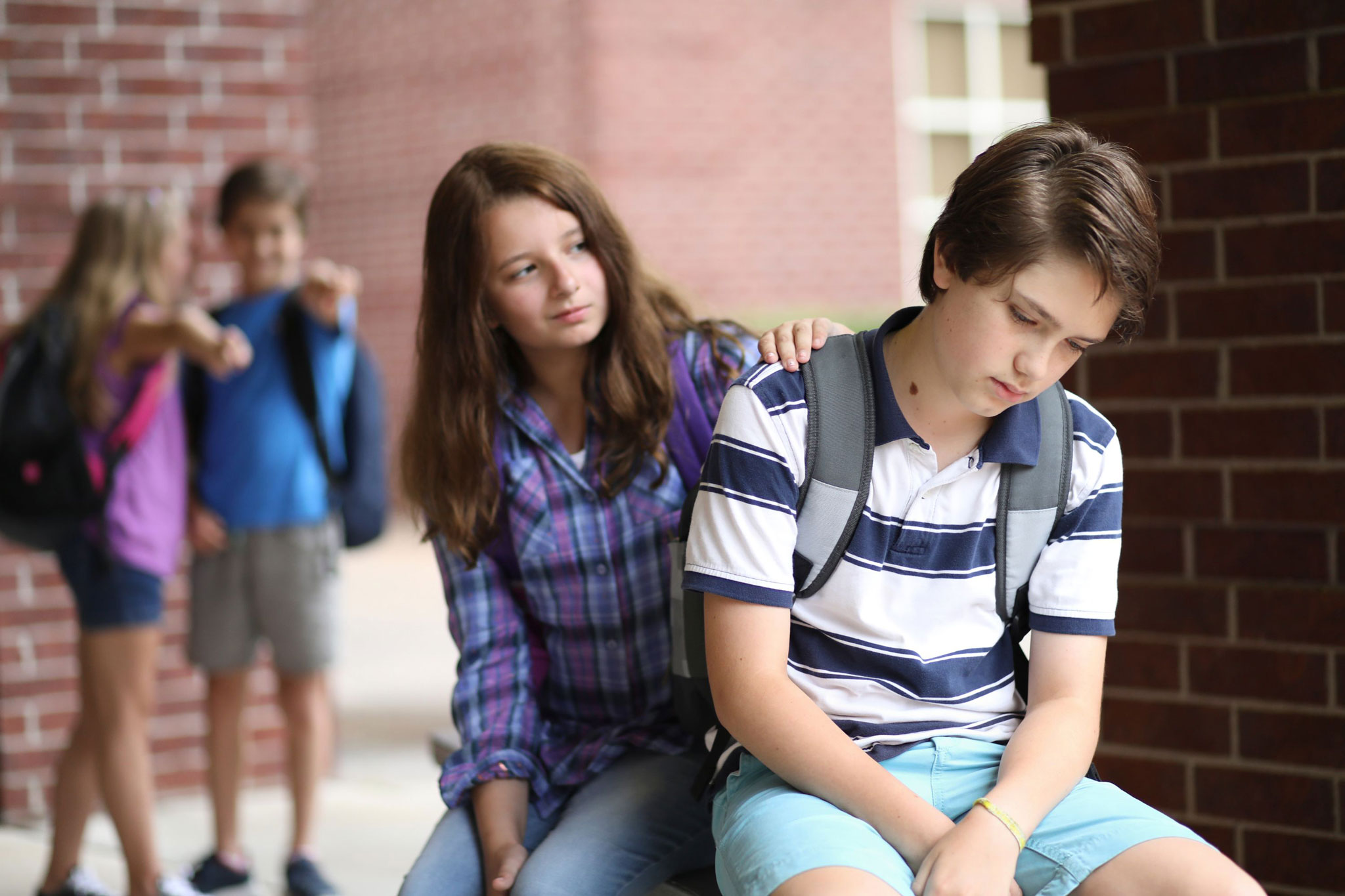
Physical Warning Signs
Unexplained injuries are the most obvious indicator. Bruises, scratches, or torn clothing that your child can't — or won't — explain. Lost or destroyed belongings, especially electronics or personal items. Frequent headaches or stomachaches, particularly on school mornings. These physical complaints are often real, not faked. Stress produces genuine physical symptoms in children.
Behavioral Warning Signs
Sudden reluctance to go to school. Declining grades in a child who previously performed well. Wanting to change their route to school or avoid the bus. Loss of interest in activities they used to enjoy. Changes in eating habits — skipping meals or binge eating after school. These shifts don't always mean bullying, but when several cluster together, it's time to ask questions.
Emotional Warning Signs
Mood swings that seem disproportionate to the situation. Withdrawal from family and friends. Low self-esteem or negative self-talk — "nobody likes me" or "I'm stupid." Sleep problems: insomnia, nightmares, or sleeping far more than usual. Expressions of helplessness or hopelessness. In older children, self-harm behaviors.
Digital Warning Signs (Cyberbullying)
Hiding their screen when you walk by. Sudden changes in device use — either obsessively checking their phone or abandoning it entirely. Deleting social media accounts. Emotional distress after being online. New accounts you don't recognize. If your child seems upset after using their phone or computer, don't ignore it. Ask — gently, without accusation.
Key insight: The warning signs for cyberbullying are often the opposite of what parents expect. Rather than increased screen time, many cyberbullied children dramatically reduce their online presence — deleting apps, avoiding group chats, or abandoning accounts entirely. A child who suddenly stops using social media may be running from something, not outgrowing it.
What Can Parents Do to Stop Bullying?
Only 44.2% of bullied students notified an adult at school, which means parents must be proactive rather than waiting for their child to come forward (StopBullying.gov, 2024). Your child's silence doesn't mean everything's fine. It may mean they don't believe telling you will help.

Start the Conversation
Don't ask "are you being bullied?" — most kids will say no. Instead, try open-ended questions: "What happened at lunch today?" or "Who did you sit with on the bus?" Make these conversations routine, not interrogations. Kids who feel safe talking about their day are more likely to mention problems when they arise.
Ask about other kids too. "Is anyone at school being mean to someone you know?" Children often find it easier to talk about what's happening to a friend before they'll admit it's happening to them.
Document Everything
If you suspect bullying, start a record. Save screenshots of online harassment. Write down dates, times, locations, and the names of anyone involved. Note your child's exact words when they describe what happened. This documentation becomes essential if you need to involve the school, the district, or law enforcement.
Contact the School — Strategically
Start with your child's teacher, then the school counselor, then administration. Put your concerns in writing — email creates a paper trail that phone calls don't. Be specific about what your child has reported. Ask what the school's anti-bullying policy requires them to do. Request follow-up within a defined timeframe.
If the school doesn't respond or the bullying continues, escalate to the district superintendent. File a formal complaint. Under federal civil rights laws, schools are required to address harassment based on race, sex, disability, or other protected characteristics. They can't simply tell your child to "ignore it."
Know When to Involve Law Enforcement
Bullying crosses into criminal territory when it involves threats of violence, physical assault, sexual harassment, stalking, or extortion. Sextortion — where someone threatens to share a child's intimate images — is a federal crime. If your child is a victim, contact local police and report it to the CyberTipline operated by NCMEC.
From the field: Law enforcement professionals working with CACF consistently report that the cases with the best outcomes are those where parents documented the bullying from the start. Screenshots, saved messages, written timelines — these aren't optional extras. They're the evidence that makes intervention possible.
Monitor Digital Life Without Breaking Trust
You don't need to read every text message. But you do need to know what platforms your child uses, who they're communicating with, and what their privacy settings look like. Have an open conversation about monitoring — explain that it's about safety, not trust. Consider parental control tools, but don't rely on them alone. Technology is a supplement to conversation, not a replacement for it.
[INTERNAL-LINK: digital safety tools and strategies → internet safety for kids guide]
How Can Educators and Schools Prevent Bullying?
School-based bullying prevention programs reduce bullying perpetration by approximately 18-19% and victimization by approximately 15-16%, according to a meta-analysis of 100 program evaluations including 45 randomized controlled trials (Gaffney, Ttofi & Farrington, PMC, 2021). These programs work. But only when schools implement them with fidelity and consistency.
Whole-School Approaches Work Best
The most effective prevention programs involve the entire school community — not just students, but teachers, administrators, support staff, and parents. Programs like Olweus, KiVa, and PBIS have the strongest evidence bases. They share common features: clear behavioral expectations, consistent consequences, bystander empowerment training, and regular climate surveys to track progress.
Classroom-only interventions don't produce lasting change. Why? Because bullying happens in hallways, on buses, in cafeterias, and online. If the intervention only covers one hour of classroom instruction per week, it won't shift the school's culture.
Train Staff — All Staff
Teachers report feeling underprepared to handle bullying, particularly cyberbullying. Professional development shouldn't be a one-time workshop. It should cover how to recognize bullying behavior, how to intervene safely, when to report, and how to support victims without inadvertently making the situation worse. Bus drivers, cafeteria workers, and recess monitors need training too — they're often the first adults to witness bullying.
Empower Bystanders
Most students witness bullying but don't intervene. Training students to be "upstanders" rather than bystanders — to speak up, walk with the targeted student, or report to an adult — shifts the social dynamics that allow bullying to thrive. When bystanders act, bullying incidents end more quickly and are less likely to recur.
Enforce Policies Consistently
Having an anti-bullying policy isn't enough. The policy has to be enforced every time, for every student. Inconsistency — where some students face consequences and others don't — erodes trust and signals to bullies that the rules don't apply to them. Schools should review their incident data regularly to identify patterns and repeat offenders.
According to NCES data, middle schools should be the primary focus for prevention efforts, with 6th graders reporting a bullying rate of 27% — the highest of any grade (NCES, 2024). Investing prevention resources where the problem is most concentrated produces the greatest return.
Frequently Asked Questions
What's the difference between bullying and normal conflict?
Bullying involves a power imbalance and repeated behavior — one person (or group) intentionally targets another who has difficulty defending themselves. Normal conflict is a disagreement between equals. The CDC's NHIS-Teen survey identifies bullying when it occurs with regularity: 6.5% of teens report monthly bullying, and 1.7% face it almost daily (CDC/NCHS, 2024).
At what age does bullying peak?
Bullying peaks during middle school. NCES data shows that 27% of 6th graders report being bullied at school, compared to just 10% of 11th graders (NCES, 2024). The transition from elementary to middle school — with its new social dynamics and less structured environments — creates conditions where bullying thrives.
[INTERNAL-LINK: middle school safety → resources for parents of middle schoolers]
Can bullying cause long-term psychological damage?
Yes. A 2025 review in PMC found that bullying causes depression, anxiety, suicidal ideation, and PTSD symptoms that persist into adulthood (Han et al., PMC, 2025). Bullied teens are roughly twice as likely to show anxiety symptoms (29.8% vs. 14.5%) and depression symptoms (28.5% vs. 12.1%) compared to non-bullied peers.
What should I do if the school doesn't act on a bullying report?
Document every incident and every communication with the school. Escalate to the district superintendent in writing. File a complaint with your state's Department of Education. If the bullying involves harassment based on a protected characteristic (race, sex, disability), you can file a complaint with the U.S. Department of Education's Office for Civil Rights. Schools receiving federal funding are legally obligated to address discriminatory harassment.
How can I tell if my child is being cyberbullied?
Watch for sudden changes in device use — either obsessive checking or complete avoidance. Emotional distress after being online, deleting social media accounts, or creating new anonymous profiles are red flags. The Cyberbullying Research Center reports that 32.7% of youth experienced cyberbullying in the past 30 days in 2025 (Cyberbullying Research Center, 2025). Ask your child directly and check their apps regularly.
Conclusion
Bullying in schools isn't fading away. It's evolving — moving online, targeting the most vulnerable students, and leaving mental health scars that last well beyond graduation. But the research is equally clear that intervention works.
Key takeaways:
- 34% of U.S. teens experience bullying yearly; middle schoolers face the highest rates
- Cyberbullying has nearly doubled since 2016, with 58.2% lifetime victimization in 2025
- Bullied teens are 2x more likely to show anxiety and depression symptoms
- LGBTQ+ and disabled students face dramatically elevated risk (47.1% and 44.4%)
- Evidence-based school programs reduce bullying by 18-19% when fully implemented
- More than half of victims never tell an adult — parents must watch for warning signs
The single most important thing a parent can do is talk to their child — regularly, openly, and without judgment. The single most important thing a school can do is implement an evidence-based prevention program and enforce it consistently.
If your child is being bullied, don't wait. Document the incidents, contact the school in writing, and escalate if needed. For online threats, sextortion, or any situation involving potential criminal behavior, report to law enforcement and the NCMEC CyberTipline.
Every child deserves to feel safe at school. That isn't aspirational — it's a right. And protecting it takes all of us.